Get connected with high promising job opportunities

The Ripple Effect of Proactivity on Productivity
joseph@digitalexpresz.com
February 25, 2026
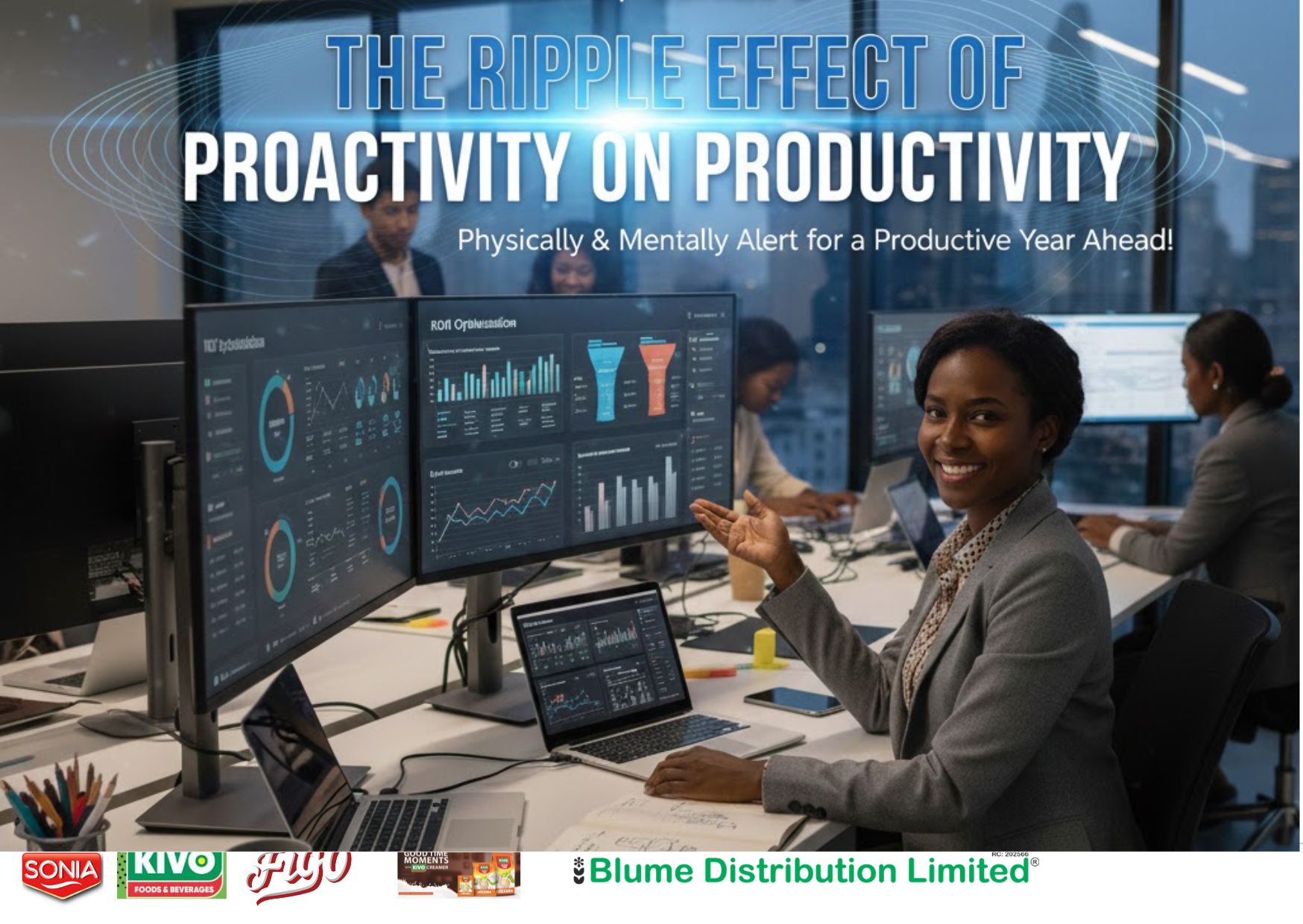
“Proactivity is not just a personal trait; it is a productivity multiplier.”
— MARE
We are unveiling “The Ripple Effect of Proactivity on Productivity.” As we position ourselves to be both physically and mentally prepared, this session will help set the tone for a productive year ahead.
We look forward to your active participation.
Introduction
Productivity is often discussed in terms of tools, targets, and time management. However, one of the most powerful, and underrated, drivers of productivity is proactivity. Proactivity is the habit of anticipating needs, taking initiative, and acting ahead of problems rather than reacting after they occur. When practiced consistently, proactivity creates a ripple effect that positively impacts individuals, teams, and the entire organization.
Understanding Proactivity
Proactivity means:
- Taking ownership instead of waiting for instructions
- Anticipating challenges before they escalate
- Seeking solutions rather than highlighting problems
- Acting with intention, not urgency alone
A proactive employee asks, “What needs to be done next?” rather than “What am I told to do?”
The First Ripple: Individual Productivity
At the individual level, proactivity directly improves productivity in several ways:
- Reduced Firefighting
Proactive people plan ahead, identify risks early, and prevent avoidable crises. Less time is spent fixing mistakes, and more time is spent on meaningful work. - Better Time Management
When you act early, tasks are completed with less pressure. Deadlines are met calmly, and quality improves because work isn’t rushed. - Higher Confidence and Motivation
Taking initiative builds a sense of control and achievement. This confidence fuels motivation, which further boosts productivity.
The Second Ripple: Team Productivity
Proactivity does not stop with one person; itt spreads.
- Smoother Collaboration
Proactive team members communicate early, share updates, and flag issues in advance. This reduces misunderstandings and delays. - Less Dependency and Bottlenecks
When individuals take initiative, managers and teammates are not overwhelmed with constant follow-ups. Work flows faster across the team. - Positive Work Culture
Proactivity encourages accountability and trust. Teams become solution-oriented instead of blame-oriented, which enhances overall performance.
The Third Ripple: Organizational Productivity
When proactivity becomes a habit across teams, the organization experiences powerful outcomes:
- Improved Efficiency
Fewer errors, fewer escalations, and faster decision-making mean resources are used more effectively. - Stronger Business Results
Proactive organizations respond faster to market changes, customer needs, and operational challenges, giving them a competitive edge. - Leadership Development
Proactive employees naturally develop leadership skills. They think ahead, take responsibility, and influence others positively.
Barriers to Proactivity
Despite its benefits, proactivity can be hindered by:
- Fear of making mistakes
- Overly rigid hierarchies
- Lack of clarity on roles and expectations
- A culture that rewards reaction rather than initiative
Addressing these barriers is essential for sustaining productivity.
How to Build a Proactive Mindset
To encourage proactivity:
- Empower employees to make decisions within clear boundaries.
- Recognize and reward initiative.
- Encourage forward-thinking questions like “What’s next?”
- Provide training that builds confidence and problem-solving skills.
Conclusion
Proactivity is not just a personal trait; it is a productivity multiplier. One proactive action can prevent multiple problems, inspire others, and set off a ripple effect that enhances efficiency, collaboration, and results across the organization. When individuals choose to act ahead of time, productivity doesn’t just improve; it compounds.
In the long run, productivity is not about doing more things but about acting earlier, smarter, and with purpose.