Get connected with high promising job opportunities

Managing Stress & Workplace Pressure
joseph@digitalexpresz.com
February 25, 2026
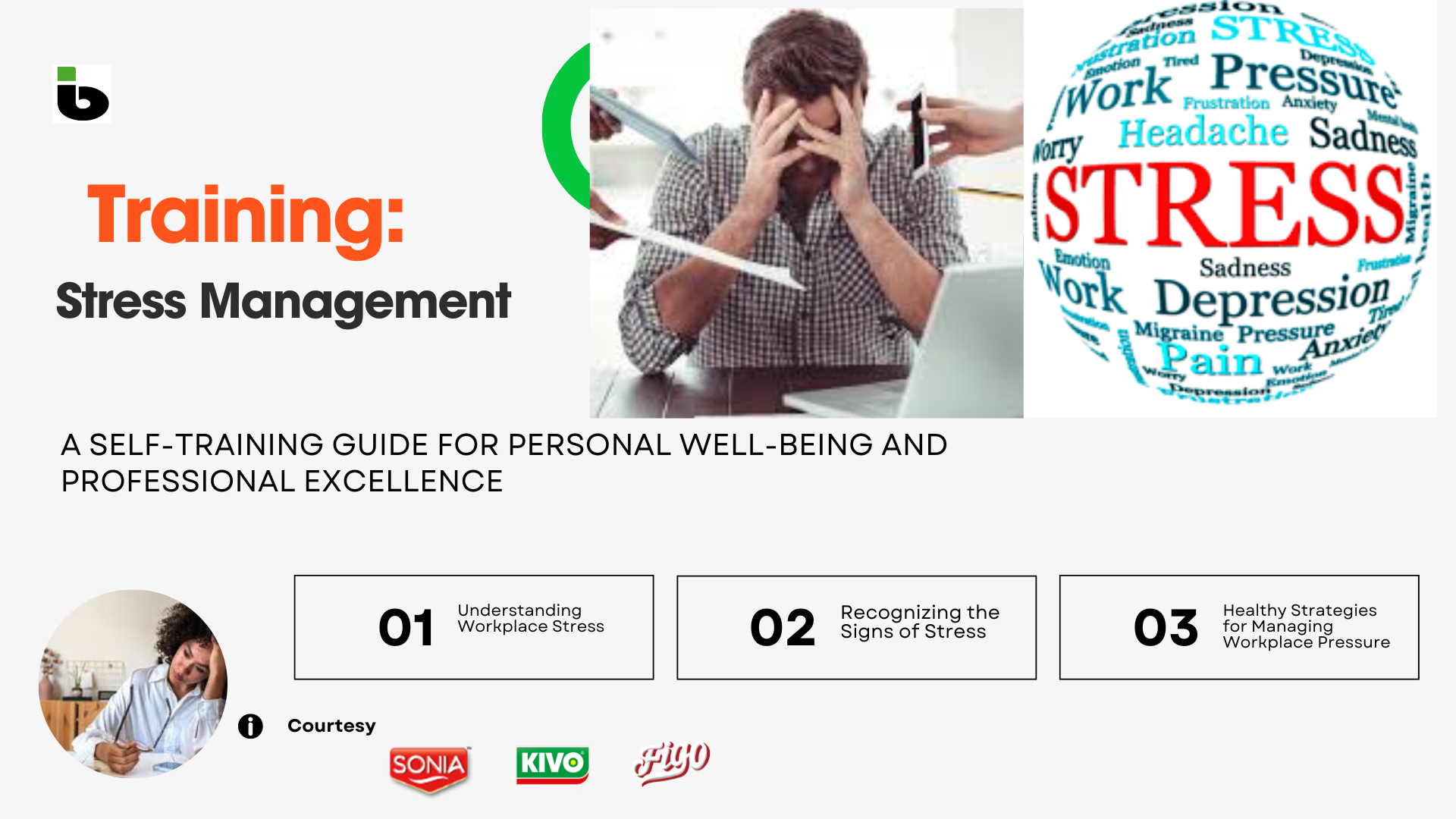
“You can’t always control what happens, but you can control how you respond.”
— MARE
Let us continue our learning journey by focusing on managing stress and workplace pressure, equipping us with practical insights to maintain well-being while delivering our best at work.
We encourage everyone to participate actively and apply the lessons in both our professional and personal lives.
Introduction
In today’s fast-paced work environment, stress and pressure have become common experiences across all industries and job levels. Deadlines, targets, performance expectations, job insecurity, and balancing work with personal responsibilities can sometimes feel overwhelming.
However, stress is not always negative. When managed properly, it can sharpen focus, improve performance, and encourage growth. The challenge lies not in avoiding stress completely, but in learning how to manage it effectively.
“You can’t always control what happens, but you can control how you respond.”
— MARE
This self-training article is designed to help you understand workplace stress, identify its sources, and apply practical strategies to remain calm, productive, and mentally healthy at work.
Understanding Workplace Stress
Workplace stress occurs when job demands exceed an individual’s ability to cope comfortably. Common causes include:
- Heavy workload and unrealistic deadlines
- Role ambiguity or unclear expectations
- Long working hours with little rest
- Poor communication or leadership
- Fear of failure, job loss, or underperformance
- Workplace conflict or unhealthy competition
When stress is prolonged and unmanaged, it can lead to burnout, reduced productivity, health issues, and emotional exhaustion.
“Stress is caused by being ‘here’ but wanting to be ‘there.’”
— Eckhart Tolle
Recognizing the Signs of Stress
Self-awareness is the first step in managing pressure. Stress often shows up in three major ways:
- Physical Signs
- Constant fatigue
- Headaches or body aches
- Sleep difficulties
- Frequent illness
- Emotional Signs
- Irritability or mood swings
- Anxiety or constant worry
- Loss of motivation
- Feeling overwhelmed or helpless
- Behavioral Signs
- Procrastination
- Reduced concentration
- Withdrawal from colleagues
- Increased errors or forgetfulness
“Ignoring stress does not make it disappear; it only makes it louder later.”
Healthy Strategies for Managing Workplace Pressure
- Improve Time and Task Management
- Break large tasks into smaller, manageable steps.
- Prioritize tasks based on urgency and importance.
- Avoid multitasking excessively; focus on one task at a time.
- Plan your day before it begins.
“Lack of time is not the issue; lack of direction is.”
- Set Realistic Expectations
- Understand your role and responsibilities clearly.
- Learn to say “no” respectfully when the workload becomes unmanageable.
- Avoid perfectionism; excellence does not mean exhaustion.
“You don’t have to do everything. You just have to do the right things well.”
- Practice Emotional Regulation
- Pause before reacting under pressure.
- Breathe deeply when feeling overwhelmed.
- Separate work challenges from personal self-worth.
“Between stimulus and response, there is a space. In that space is our power to choose our response.”
— Viktor Frankl
- Maintain Healthy Work Habits
- Take short breaks during the workday.
- Stretch, walk, or step away from your screen.
- Eat well and stay hydrated.
- Ensure adequate sleep outside work hours.
Your body is not a machine; it needs rest to perform effectively.
- Build Positive Workplace Relationships
- Communicate openly and respectfully.
- Ask for clarification when confused.
- Seek support from supervisors or colleagues.
- Avoid unnecessary workplace gossip and negativity.
“A problem shared appropriately is often a problem reduced.”
Developing a Resilient Mindset
Resilience is the ability to recover quickly from stress and setbacks. You can build it by:
- Viewing challenges as learning opportunities
- Accepting that mistakes are part of growth
- Focusing on what you can control
- Celebrating small wins and progress
“Pressure does not break you; resistance to growth does.”
When to Seek Help
Managing stress does not mean facing everything alone. If workplace pressure begins to affect your health, performance, or relationships:
- Speak with HR or a trusted manager.
- Seek professional counseling or coaching.
- Reassess workload or role alignment.
“Asking for help is not weakness; it is wisdom.”
Self-Reflection Exercise
Take a moment to reflect:
- What situations at work stress me the most?
- How do I usually react under pressure?
- Which stress-management strategy can I start practicing today?
Write your answers and review them weekly.
Conclusion
Workplace pressure is unavoidable, but suffering under it is not. By building self-awareness, healthy habits, emotional control, and resilience, you can remain productive without sacrificing your well-being.
“Your career is important, but your health and peace of mind are priceless.”
Managing stress is not a one-time action; it is a continuous personal discipline. When you manage stress well, you do not only become a better employee; you become a stronger, calmer, and more fulfilled individual.