Get connected with high promising job opportunities

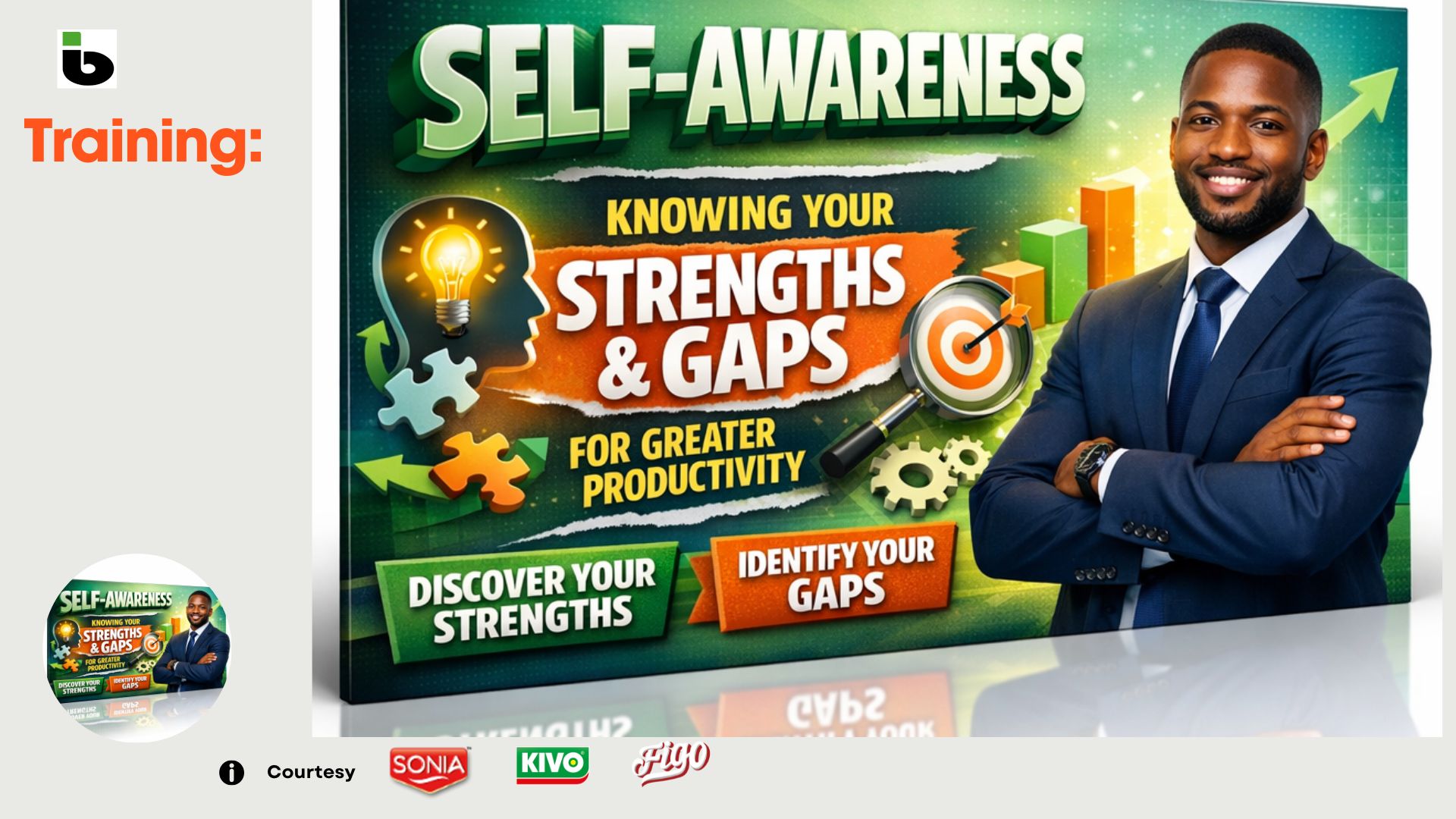
Self-Awareness – Knowing Your Strengths & Gaps for Greater Productivity
Blumejobbers
February 25, 2026
“Follow effective action with quiet reflection. From the quiet reflection will come even more effective action.”
— Peter Drucker
Developing self-awareness enables us to leverage our strengths more effectively, identify areas for improvement, and enhance both our personal well-being and professional excellence.
We encourage everyone to actively engage in this session and reflect meaningfully on the insights shared.
Introduction
In today’s fast-paced workplace, technical skills alone are not enough to drive sustainable performance. The true competitive advantage lies in self-awareness, the ability to accurately understand your strengths, recognize your gaps, and manage your impact on others.
As management thinker Peter Drucker once said:
“Follow effective action with quiet reflection. From the quiet reflection will come even more effective action.”
Self-awareness is not a soft skill; it is a productivity multiplier.
What is self-awareness?
Self-awareness is the conscious knowledge of your:
- Strengths
- Weaknesses
- Values
- Emotions
- Work style
- Behavioral patterns
It answers key questions:
- What am I naturally good at?
- Where do I struggle?
- How do I respond under pressure?
- How do others perceive me?
Without self-awareness, productivity becomes accidental. With self-awareness, productivity becomes intentional.
Why Self-Awareness Drives Productivity
1. You Work Within Your Strength Zones
When you know your strengths, you:
- Deliver faster results.
- Experience less stress.
- Add higher value.
- Build confidence.
“When you play to your strengths, you move from effort to excellence.”
Employees who understand their strengths align their tasks accordingly, delegate wisely, and contribute strategically.
2. You Manage Your Gaps Before They Manage You
No one is perfect. The difference between average and high-performing employees is this:
High performers identify their weaknesses early and take action.
Gaps may include:
- Poor time management
- Weak communication skills
- Difficulty with data analysis
- Impatience under pressure
- Limited strategic thinking
Ignoring gaps leads to repeated mistakes. Acknowledging them leads to growth.
3. You Improve Emotional Intelligence
Self-awareness strengthens emotional intelligence, your ability to:
- Regulate emotions.
- Handle conflict professionally.
- Accept feedback constructively.
- Remain calm during challenges.
“Knowing yourself is the beginning of all wisdom.” – Aristotle
An emotionally aware employee avoids unnecessary workplace conflict and builds stronger relationships.
4. You Accept Feedback Without Defensiveness
Self-aware professionals:
- Ask for feedback.
- Reflect on criticism.
- Improve continuously.
Instead of saying, “That’s not true,” they ask:
- “How can I improve?”
- “What specific action would you recommend?”
Growth begins where ego ends.
How to Develop Self-Awareness at Work
1. Conduct a Personal SWOT Analysis
Strengths
- What do people often compliment you on?
- What tasks do you complete with ease?
Weaknesses
- Where do you consistently struggle?
- What feedback do you often receive?
Opportunities
- What skills can you develop this year?
- What new responsibilities can stretch you?
Threats
- What habits could limit your career growth?
Write it down. Reflection creates clarity.
2. Ask for Honest Feedback
Request structured feedback from:
- Your manager
- A colleague
- A direct report
Ask:
- “What is one thing I do very well?”
- “What is one thing I need to improve?”
Listen without defending yourself.
3. Track Your Productivity Patterns
Observe:
- When are you most focused?
- What drains your energy?
- Which tasks take longer than expected?
Data reveals patterns. Patterns reveal gaps.
4. Set Improvement Goals
Example:
- Improve presentation skills within 90 days.
- Reduce email response time by 30%.
- Improve report accuracy to 98%.
Self-awareness without action becomes self-pity.
Self-awareness with action becomes transformation.
Common Signs You Lack Self-Awareness
- You blame others for repeated issues.
- You resist feedback.
- You overestimate your performance.
- You underestimate your impact on others.
- You avoid reflection.
These habits quietly reduce productivity and limit career growth.
The Organizational Advantage
When employees practice self-awareness:
- Teams communicate better.
- Conflict reduces
- Accountability increases.
- Performance improves.
- Leadership pipeline strengthens
A self-aware workforce is a high-performance workforce.
Practical Daily Reflection Questions
At the end of each workday, ask:
- What did I do well today?
- Where did I struggle?
- What feedback did I receive?
- What can I improve tomorrow?
- Did my behavior align with company values?
Five minutes of reflection daily can change your career trajectory.
Conclusion:
Self-awareness is not about self-criticism; it is about self-leadership.
“The unexamined life is not worth living.” – Socrates
When you know your strengths, you maximize them.
When you know your gaps, you manage them.
When you manage both, you increase your productivity and influence.
Your growth starts with your awareness.
TAKE-HOME POINTS
- Self-awareness is the foundation of professional growth.
- Play to your strengths; don’t ignore your gaps.
- Feedback is a gift; accept it.
- Reflection drives performance improvement.
- Growth is intentional, not accidental.
- Productive employees are self-aware employees